Sunday, 28 August 2011

Empty Site #8: Drawer


The drawer is another site which derives it's use from it's emptiness, as the scale of it's emptiness is directly proportiante to it's usefullness, given that it's sole purpose is for storage.

Also noteworthy is the fact that a drawer is a site, within a site, within a site - a drawer, within a desk, within a room. Would changing one of these affect all sites, or only the site that was changed? How many objects must be in the drawer for it to no longer be 'empty'? If you saw a drawer with a single pencil in it, would you consider it empty? If not, what would you consider it?

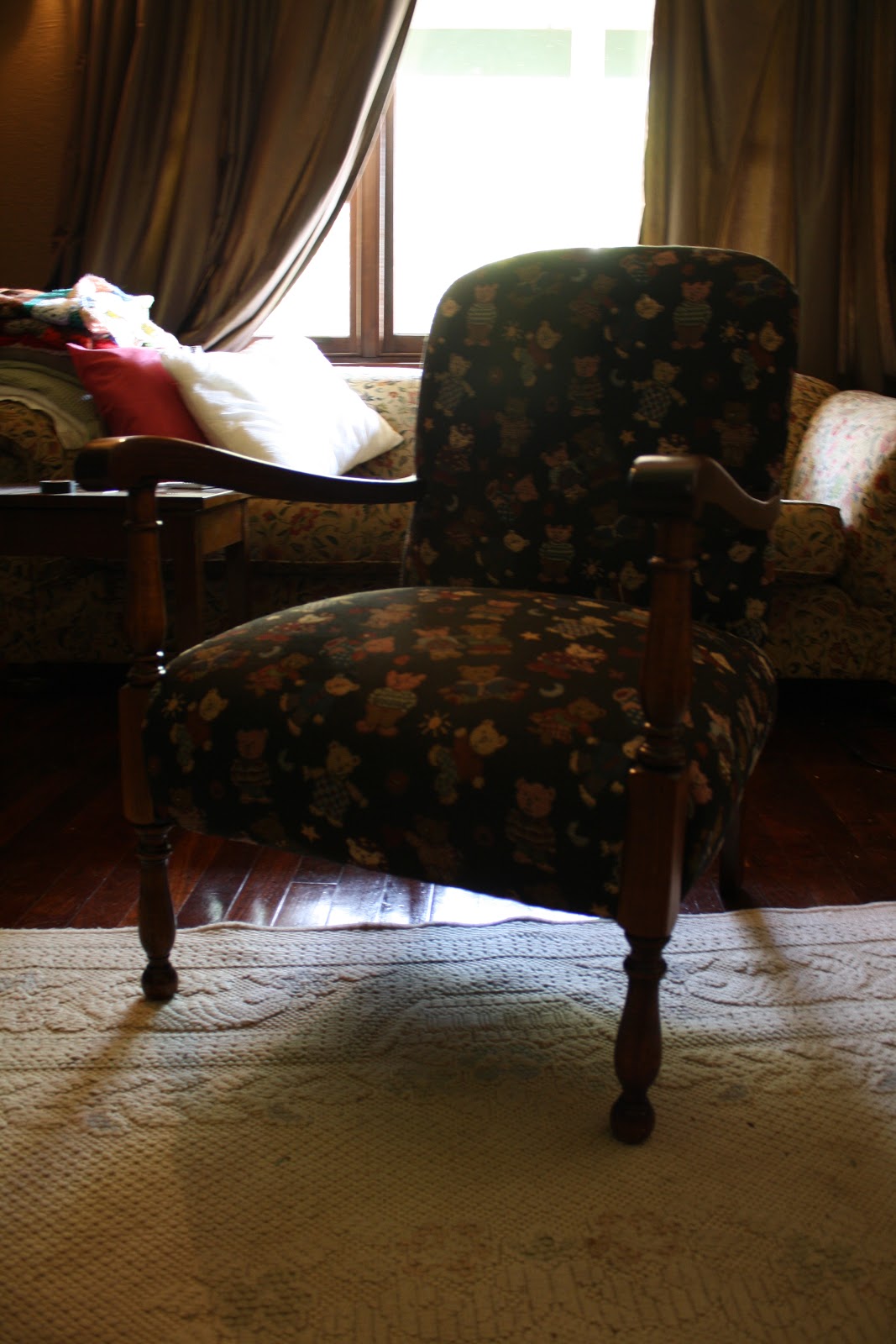
Empty Site #7: Chair

The chair, in it's many sizes and forms, can be, in linguistic terms, defined as 'empty' when it is not occupied by a person. It's 'emptiness' is not simply a manifestation of negative space as is seen in many of the other sites - only when a person sits in the chair can we, in hindsight, observe the negative space and 'emptiness' of the chair.

Empty Site #6: Website


A literal interpretation of an empty site, www.empty.com is both a site about emptiness (if the name means anything), and a blank, empty website that is under construction.
What would a web user expect to find on a website with the name 'empty.com'?

Empty Site #5: Dryer


An interesting thing I have noticed when contemplating these empty sites, in particular those which serve a purpose only periodically rather than all the time, is that these empty sites seem to frame a waste of space that could be used for something useful in the interim as it goes unused - perhaps representative of the luxury of abundant free space that we take for granted in the First World.

The dryer is another one of such sites which is emptier for longer periods of time than it is when full. Outside of in a household, dryers exist mainly in laundromats - an example of a site-within-a-site, but outside of a laundromat it loses it's site-relevance.

Empty Site #4: Pool


A block under construction with an empty pool in the backyard.

Size/scale - how would you interpret a big house with a small pool vs. a small house with a big pool?

Is the pool there for utilitarian purposes, or just aesthetics? Do you need a pool so close to your house?

The frame of the pool for now almost represents the negative space of a house, hollowed out underground rather than a hollow structure above ground.

Empty Site #3: Bin


A smaller version of what is a commonly seen empty site - the bin.

The bin as a site relies on it's ephemeral emptiness, completing a cycle from empty to full periodically. Is a bin still a bin when it's empty, or only when it is storing rubbish? Could it still be considered a bin if it were filled with something other than rubbish?

Scale and placement, that is, the bin's location and size, can be viewed as directly relative to the bin's emptiness or 'fullness'. Does an empty bin mean a clean household, a lack of desire to dispose of 'rubbish', or even a strong recycling initiative? Does a larger bin mean a larger yield of rubbish, or over-compensation or an inaccurate prediction of rubbish output?

Empty Site #2: Wallet


The second of my empty sites is, unfortunately, my wallet.

Another example of a 'site-within-a-site', the empty wallet is as much a socio-economic symbol, representative of the 'poverty-stricken student', as a site itself. Scale is important - a larger empty wallet might indicate what has been, or what will be.

A wallet, in it's most general usage, exists to carry money - would filling this site with another object change the interpretation, and in turn, the meaning of the wallet? Do people perceive a wallet differently depending on the size of the notes inside? Does the empty wallet say more about the person as an individual, or can it be used to represent society on a broader economic scale?

What about the placement of the wallet? Does an empty wallet tell a different story when found in different locations, or does it have more depth when viewed out of context?